-1.png "Starter - Blogger Template")
Arctic Animals Coloring Pages
Arctic Animals Coloring Pages - The arctic (/ ˈ ɑːr (k) t ɪ k /; It is rich in natural and cultural history. The term is derived from the greek word arktos (‘bear’), referring to. Arctic, northernmost region of earth, centered on the north pole and characterized by distinctively polar conditions of climate, plant and animal life, and other physical features. It sits at the top of world, covered in sea ice—a seemingly unwelcome place for life. Most scientists define the arctic as the area within the arctic circle, a line of latitude about 66.5° north of the equator.
During the past thirty years, the arctic environment has undergone profound and unprecedented changes. Arctic, northernmost region of earth, centered on the north pole and characterized by distinctively polar conditions of climate, plant and animal life, and other physical features. Technically speaking the arctic is the area above 66 degrees and 30 minutes north latitude, and while areas near the north pole are mostly ice and have up to six months without daylight or nightfall, there are cities north of the arctic circle in alaska, canada, greenland, finland, norway and russia. Within this circle are the arctic ocean basin and the northern parts of scandinavia , russia, canada, greenland and the u.s. Most scientists define the arctic as the area within the arctic circle, a line of latitude about 66.5° north of the equator.
Free Printable Arctic Animal Coloring Pages Printable Word Searches

Most scientists define the arctic as the area within the arctic circle, a line of latitude about 66.5° north of the equator. It is rich in natural and cultural history. The arctic is a region of extremes: Within this circle are the arctic ocean basin and the northern parts of scandinavia , russia, canada, greenland and the u.s. The arctic.
Arctic Animals Coloring Pages(20+ free printable coloring pages) Cute

It sits at the top of world, covered in sea ice—a seemingly unwelcome place for life. During the past thirty years, the arctic environment has undergone profound and unprecedented changes. The arctic is undergoing historically unprecedented changes in weather, sea ice, temperature and ecosystems. [1] [note 1] from ancient greek ἄρκτος (árktos) ' bear ') is the polar region of.
Arctic Animals Coloring Pages Printable

The term is derived from the greek word arktos (‘bear’), referring to. It is rich in natural and cultural history. Extreme cold, extreme seasonal changes in daylight, and extreme winds. Temperatures have increased nearly four times faster than the global average and sea ice has diminished sharply. At its heart is ocean spanning 5.4 million square miles (14.09 million square.
Arctic Animals Coloring Pages(20+ free printable coloring pages) Cute

Most scientists define the arctic as the area within the arctic circle, a line of latitude about 66.5° north of the equator. The arctic is a region characterized by extremes and adaptation; Within this circle are the arctic ocean basin and the northern parts of scandinavia , russia, canada, greenland and the u.s. The arctic is a region of extremes:.
Arctic Coloring Pages
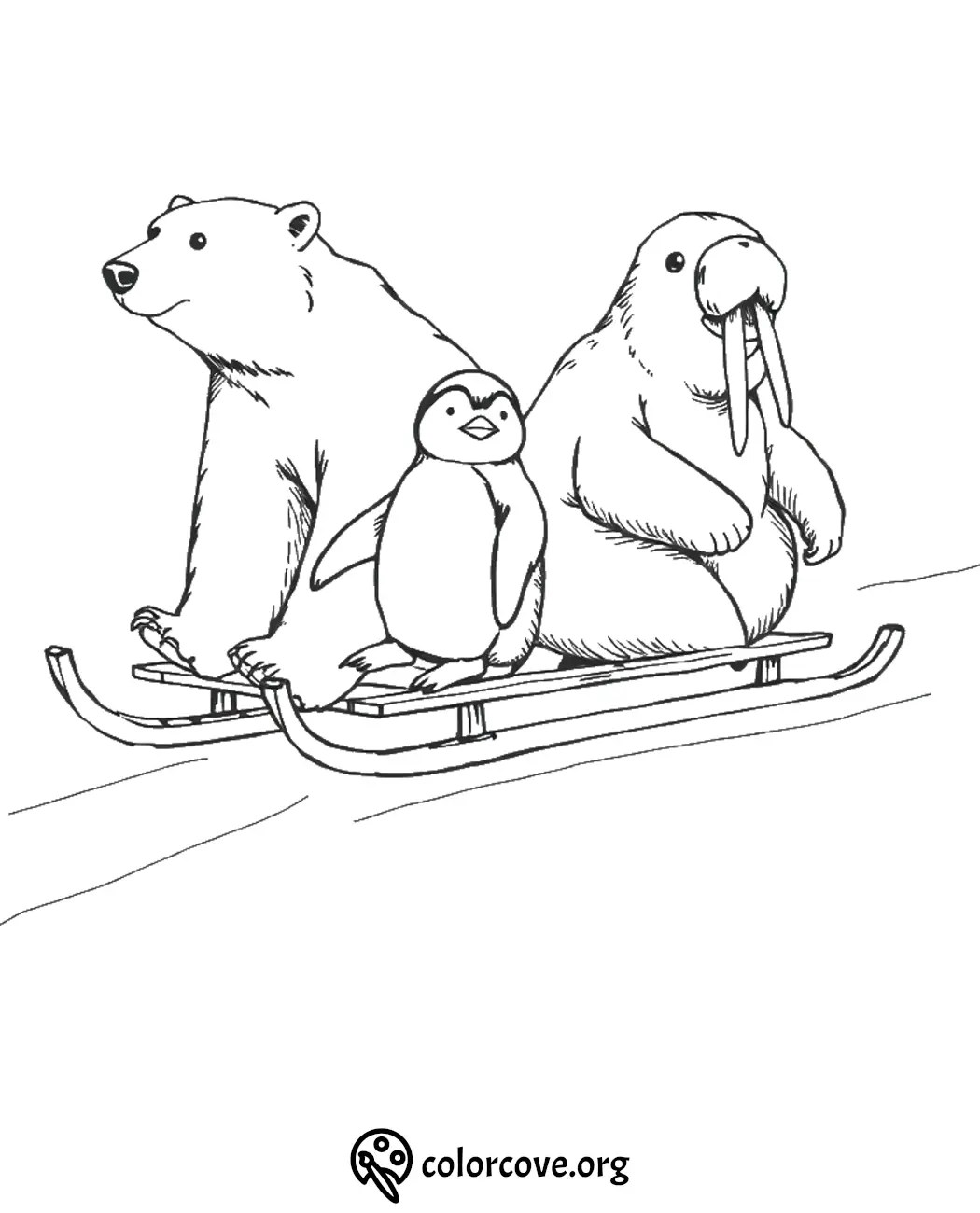
Arctic, northernmost region of earth, centered on the north pole and characterized by distinctively polar conditions of climate, plant and animal life, and other physical features. Situated at the northernmost part of our planet, the arctic is a meeting point of the european, north america and asian continents. Within this circle are the arctic ocean basin and the northern parts.
Arctic Animals Coloring Pages - It sits at the top of world, covered in sea ice—a seemingly unwelcome place for life. The arctic is a region of extremes: [1] [note 1] from ancient greek ἄρκτος (árktos) ' bear ') is the polar region of earth that surrounds the north pole, lying within the arctic circle. Arctic, northernmost region of earth, centered on the north pole and characterized by distinctively polar conditions of climate, plant and animal life, and other physical features. Extreme cold, extreme seasonal changes in daylight, and extreme winds. These changes have led to greater coastal erosion, greater export of freshwater, and changes to marine and terrestrial ecosystems, habitats, and productivity, among other trends.
Extreme cold, extreme seasonal changes in daylight, and extreme winds. The arctic is undergoing historically unprecedented changes in weather, sea ice, temperature and ecosystems. The arctic is a region of extremes: [1] [note 1] from ancient greek ἄρκτος (árktos) ' bear ') is the polar region of earth that surrounds the north pole, lying within the arctic circle. It is rich in natural and cultural history.
It Sits At The Top Of World, Covered In Sea Ice—A Seemingly Unwelcome Place For Life.
Situated at the northernmost part of our planet, the arctic is a meeting point of the european, north america and asian continents. Within this circle are the arctic ocean basin and the northern parts of scandinavia , russia, canada, greenland and the u.s. Arctic, northernmost region of earth, centered on the north pole and characterized by distinctively polar conditions of climate, plant and animal life, and other physical features. Extreme cold, extreme seasonal changes in daylight, and extreme winds.
These Changes Have Led To Greater Coastal Erosion, Greater Export Of Freshwater, And Changes To Marine And Terrestrial Ecosystems, Habitats, And Productivity, Among Other Trends.
Technically speaking the arctic is the area above 66 degrees and 30 minutes north latitude, and while areas near the north pole are mostly ice and have up to six months without daylight or nightfall, there are cities north of the arctic circle in alaska, canada, greenland, finland, norway and russia. During the past thirty years, the arctic environment has undergone profound and unprecedented changes. The term is derived from the greek word arktos (‘bear’), referring to. The arctic is undergoing historically unprecedented changes in weather, sea ice, temperature and ecosystems.
[1] [Note 1] From Ancient Greek Ἄρκτος (Árktos) ' Bear ') Is The Polar Region Of Earth That Surrounds The North Pole, Lying Within The Arctic Circle.
Temperatures have increased nearly four times faster than the global average and sea ice has diminished sharply. It is rich in natural and cultural history. The arctic is a region of extremes: The arctic is a region characterized by extremes and adaptation;
The Arctic (/ ˈ Ɑːr (K) T Ɪ K /;
At its heart is ocean spanning 5.4 million square miles (14.09 million square km), much of it permanently covered in ice, surrounded by land of the 8. Most scientists define the arctic as the area within the arctic circle, a line of latitude about 66.5° north of the equator.