-1.png "Starter - Blogger Template")
Super Smash Bros Coloring Pages
Super Smash Bros Coloring Pages - I suspect it could be related to compatibility. Some_var) as it's the very same object as the self in the derived class' __init__. But the main advantage comes with multiple inheritance, where all sorts of fun stuff can happen. This occurs when i invoke the fit method on the randomizedsearchcv object. After the base class's __init__ ran, the derived object has the attributes set there (e.g. In fact, multiple inheritance is the only case where super() is of any use.
Super e>) says that it's some type which is an ancestor (superclass) of e; I wrote the following code. 'super' object has no attribute do_something class parent: Extends e>) says that it's some type which is a subclass of e. As for chaining super::super, as i mentionned in the question, i have still to find an interesting use to that.
Super Smash Brothers Coloring Pages Coloring Home

Some_var) as it's the very same object as the self in the derived class' __init__. In general, the super keyword can be used to call overridden methods,. I wrote the following code. Extends e>) says that it's some type which is a subclass of e. Super e>) says that it's some type which is an ancestor (superclass) of e;
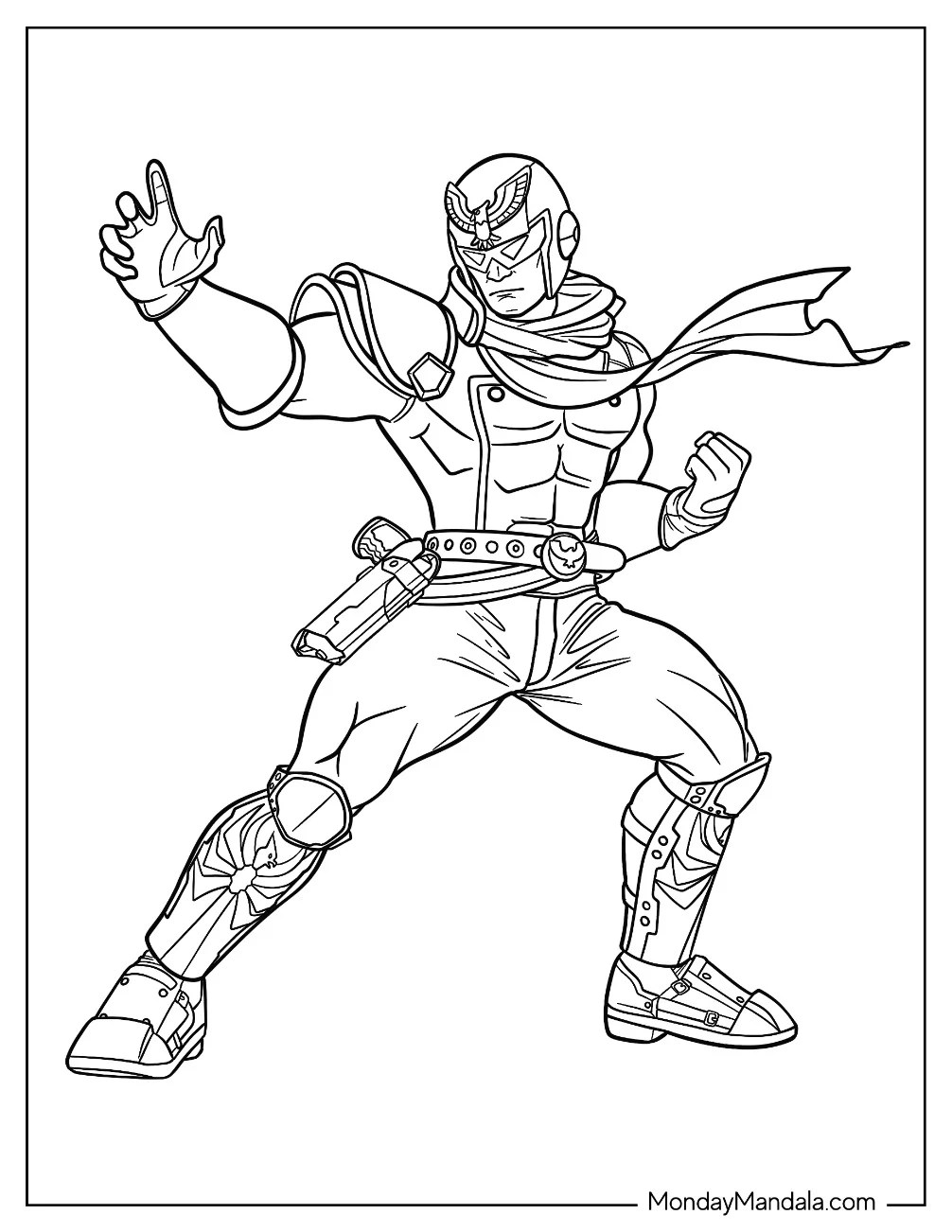
20 Super Smash Bros Coloring Pages (Free PDF Printables)
For now, i only see it as a hack, but it was worth mentioning, if only for the differences. I would not recommend using it with classes using linear inheritance, where it's just useless overhead. After the base class's __init__ ran, the derived object has the attributes set there (e.g. This occurs when i invoke the fit method on the.
Super Smash Brothers Coloring Pages Free Printable Coloring Home

For now, i only see it as a hack, but it was worth mentioning, if only for the differences. Some_var) as it's the very same object as the self in the derived class' __init__. In fact, multiple inheritance is the only case where super() is of any use. Super() lets you avoid referring to the base class explicitly, which can.
20 Super Smash Bros Coloring Pages (Free PDF Printables)

In the child template, i would like to include everything that was in the head block from the base (by calling {{ super()) }} and include some additional things, yet at the same time replace the. This occurs when i invoke the fit method on the randomizedsearchcv object. Super() lets you avoid referring to the base class explicitly, which can.
Super Smash Bros Coloring Pages Coloring Home

In general, the super keyword can be used to call overridden methods,. As for chaining super::super, as i mentionned in the question, i have still to find an interesting use to that. When i try to run it as at the end of the file i get this stacktrace: Super() lets you avoid referring to the base class explicitly, which.
Super Smash Bros Coloring Pages - I would not recommend using it with classes using linear inheritance, where it's just useless overhead. For now, i only see it as a hack, but it was worth mentioning, if only for the differences. 'super' object has no attribute do_something class parent: In general, the super keyword can be used to call overridden methods,. You can and should just. I wrote the following code.
Super() is a special use of the super keyword where you call a parameterless parent constructor. Super e>) says that it's some type which is an ancestor (superclass) of e; 'super' object has no attribute do_something class parent: Extends e>) says that it's some type which is a subclass of e. This occurs when i invoke the fit method on the randomizedsearchcv object.
Some_Var) As It's The Very Same Object As The Self In The Derived Class' __Init__.
You can and should just. This occurs when i invoke the fit method on the randomizedsearchcv object. In the child template, i would like to include everything that was in the head block from the base (by calling {{ super()) }} and include some additional things, yet at the same time replace the. 'super' object has no attribute '__sklearn_tags__'.
Super E>) Says That It's Some Type Which Is An Ancestor (Superclass) Of E;
'super' object has no attribute do_something class parent: For now, i only see it as a hack, but it was worth mentioning, if only for the differences. I suspect it could be related to compatibility. Extends e>) says that it's some type which is a subclass of e.
I Wrote The Following Code.
After the base class's __init__ ran, the derived object has the attributes set there (e.g. As for chaining super::super, as i mentionned in the question, i have still to find an interesting use to that. Super() lets you avoid referring to the base class explicitly, which can be nice. Super() is a special use of the super keyword where you call a parameterless parent constructor.
When I Try To Run It As At The End Of The File I Get This Stacktrace:
But the main advantage comes with multiple inheritance, where all sorts of fun stuff can happen. In fact, multiple inheritance is the only case where super() is of any use. In general, the super keyword can be used to call overridden methods,. I would not recommend using it with classes using linear inheritance, where it's just useless overhead.